SPARTA – CUT A SILHOUETTE
It all started with John Candy. Some 31 years after the comedian’s death, Jim Ward was watching a documentary about him, and in it Macaulay Culkin—who had starred in a number of films with the late actor—said something that really stuck with the musician. So much so, in fact, that, after months of pondering and overthinking what Sparta’s sixth full-length album would be named, Ward decided that those very words—“cut a silhouette”—should be the title.
“He said that when he met John Candy, he just entered your brain and cut a silhouette,” says Ward. “Like, he just left an impression is the way I see it. And when I heard him say that, I was like ‘Oh! That’s what I want this record to be.’ I want it to leave an impression. At this point in my career, that's what I yearn for. I'm working so hard to make something meaningful to me, and I really want people to get a chance to feel it as well.”
Of course, Ward’s 30-plus year career in music has already cut plenty of silhouettes, first as a vital member of pioneering post-hardcore outfit At The Drive-In, then as the frontman of Sparta. The latter released their first album, Wiretap Scars, in 2002, second record Porcelain in 2004, and third LP, Threes, in 2006. Due to a couple of hiatuses, a fourth album, Trust The River, didn’t arrive until 2020, followed two years later by a self-titled fifth album. But there have also been a handful of solo releases, a collaborative album with poet Bobby Byrd, and an LP and an EP by Sleepercar, Ward’s alternative country project, not to mention successful anniversary tours celebrating those first two Sparta albums. It all adds up to a legacy—and yes, that’s the correct word to use—that has been leaving an indelible impression on people for a long time now.
“I'm humbled by that,” he says, “and appreciative of it. I don't dismiss it at all. I spend a lot of time listening to people tell me how important the music I’ve been a part of making is to them, and it's not lost on me, but it's also not about me in that moment. So I'm more than aware of it. I've been living it for a really long time and I’m really fucking grateful for it.”
Though it doesn’t necessarily move Ward in the here and now—the past, after all, is the past— it nevertheless still has an impact on the present, and the music he makes in it.
“Some of what comes through all that,” he continues, “is the question of am I ever going to do this again? Do I want to do this again? Do I have anything to add to anything? Is anything I want to say important enough for anyone to give a fuck about? That's why that phrase hit me so hard. Because when you come out the other side, you’re like ‘Oh, this is something I believe in, and that I think will leave an impression.’”

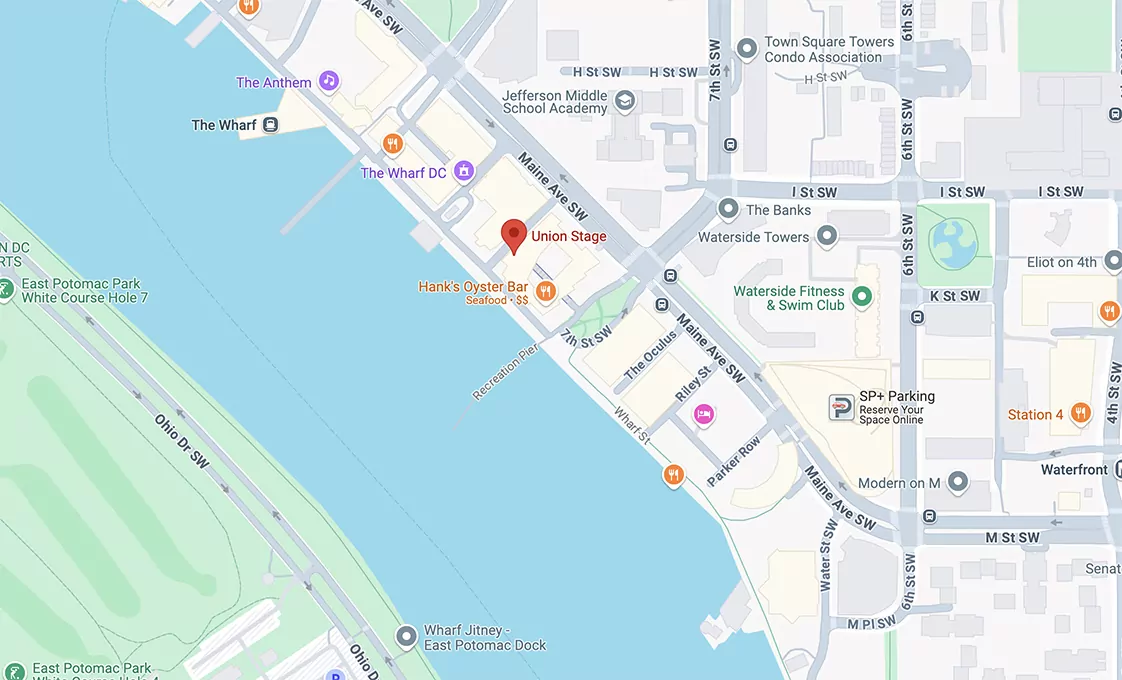
740 Water Street SW
Washington, DC 20024
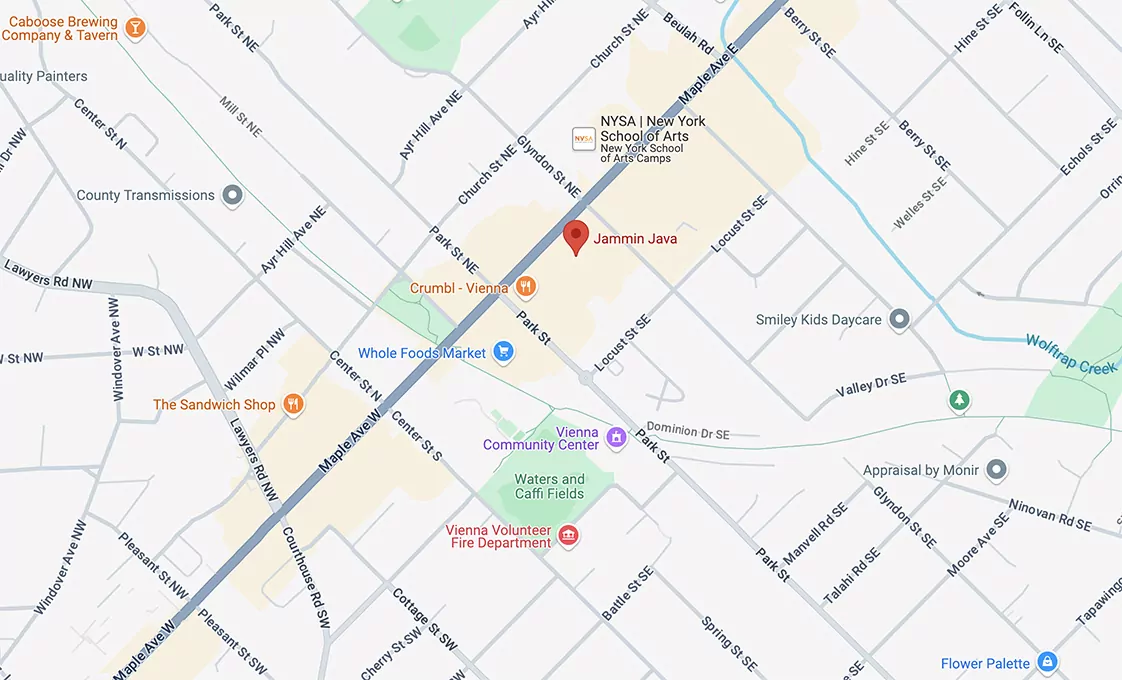
227 Maple Ave East
Vienna, VA 22180(703) 255-1566


33 Pearl Street SW
Washington, DC 20024

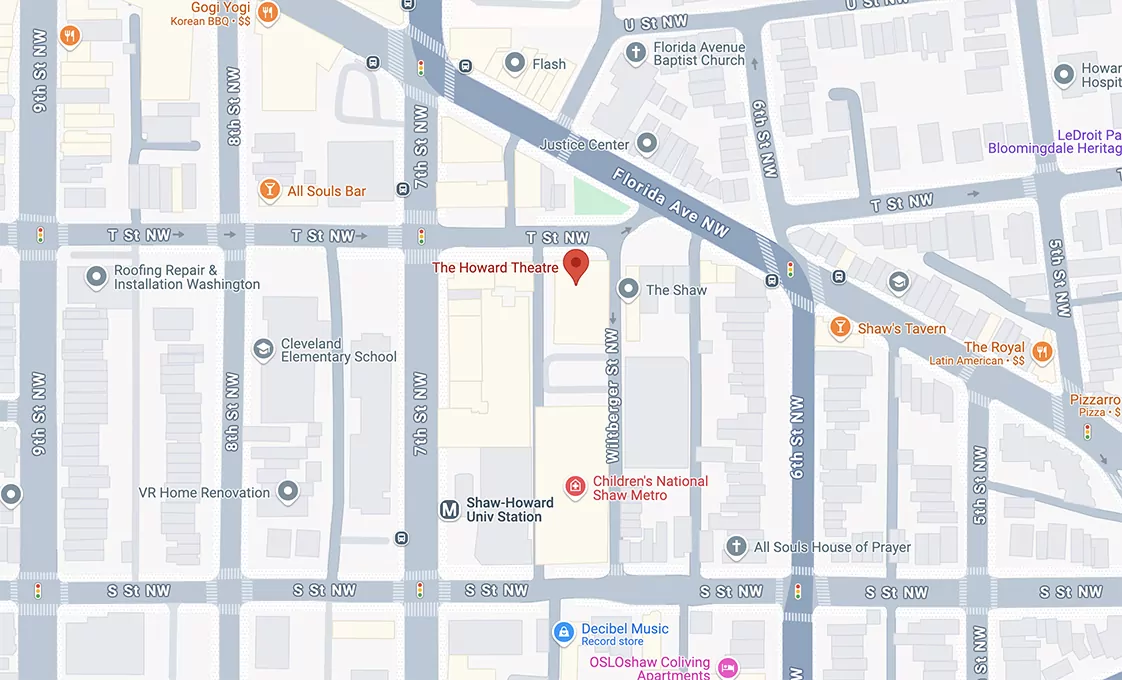
620 T Street NW
Washington, DC 20001
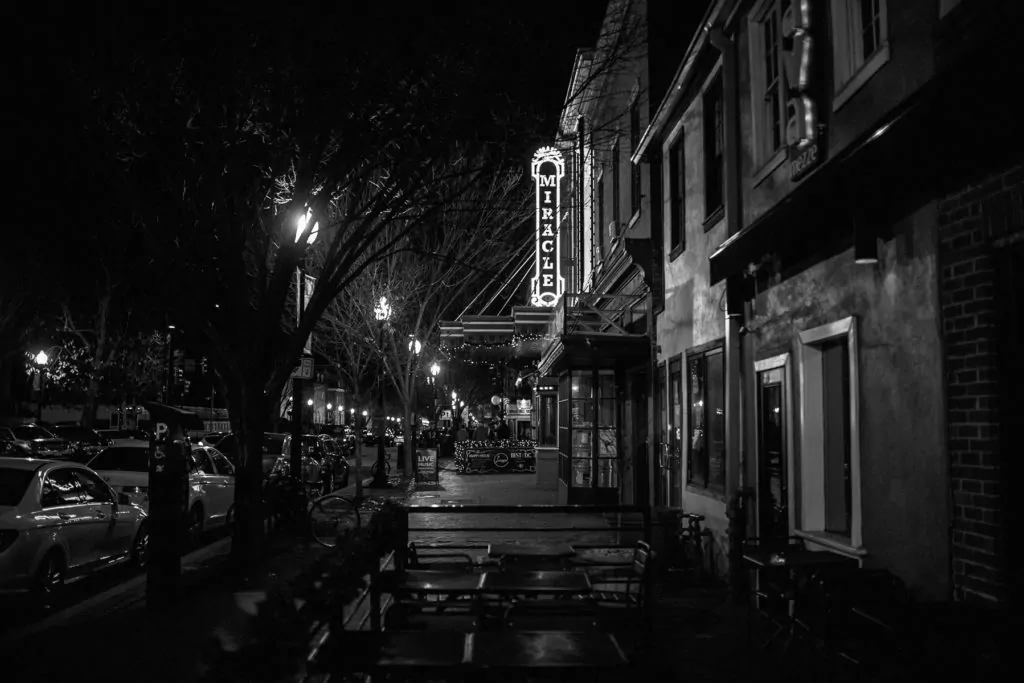
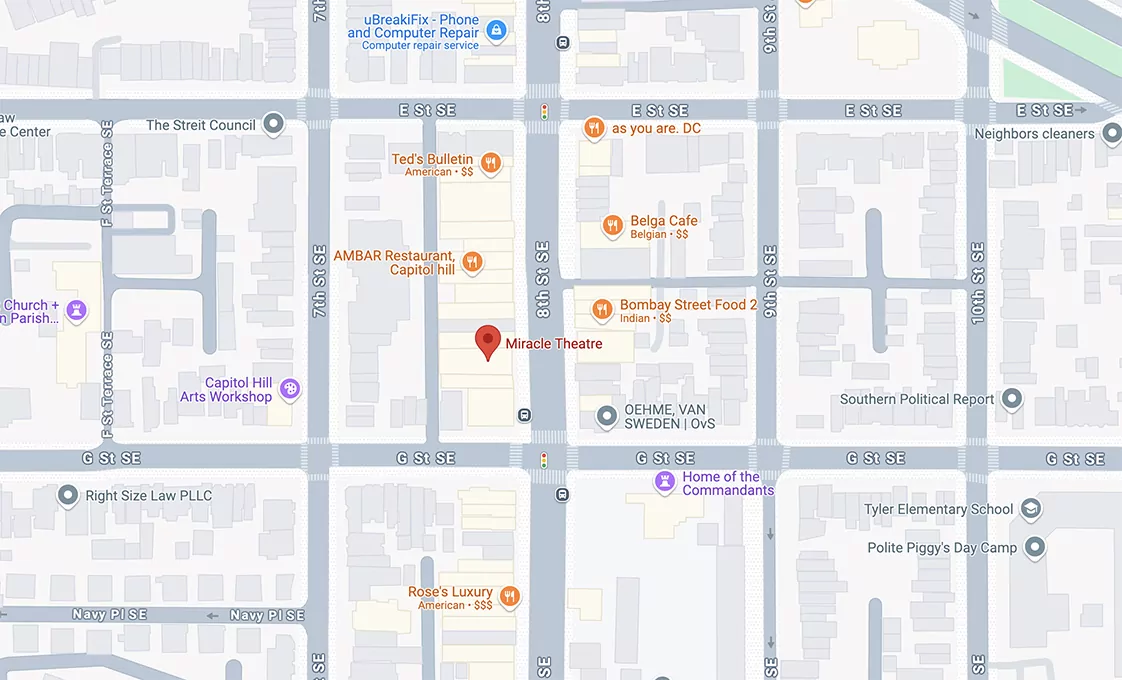
535 8th St SE
Washington, DC 20003
(202) 400-3210

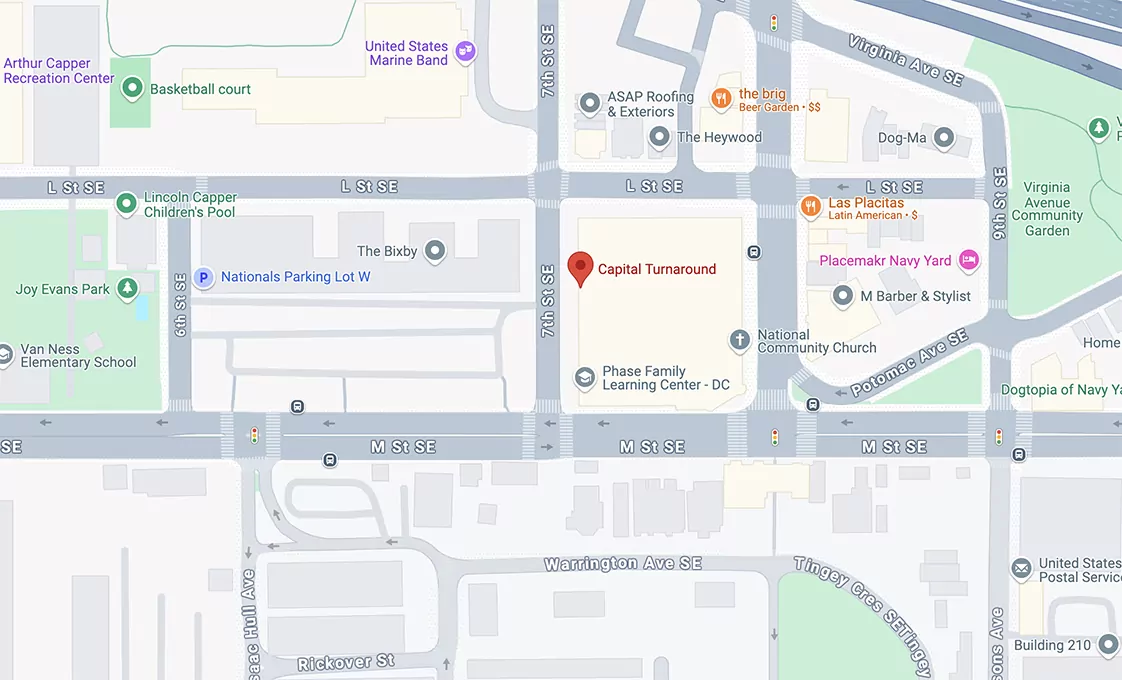
770 M St SE
Washington, DC 20003
740 Water Street SW
Washington, DC 20024